The first bucket came down with a sound like dry rain.
A rusty loader raised its arms above Tessa Pruett's flatbed trailer, tilted forward, and released a billowing avalanche of golden rice hulls. The material spread almost weightlessly. A pale cloud rolled across the gravel lot, caught the morning wind, and swept around the boots of three men who were laughing hard enough to lean against the fence.
"You actually want this garbage?" Wade Hollis shouted.
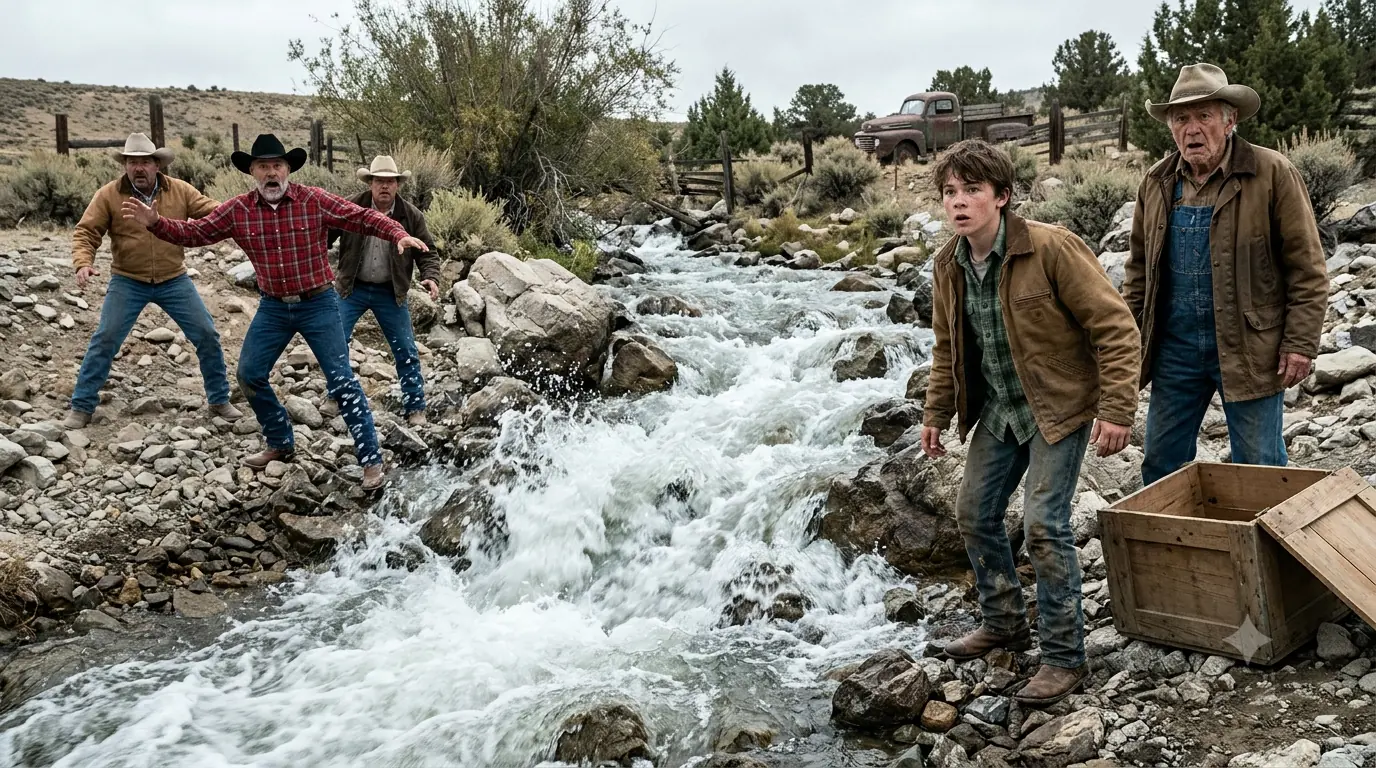
Tessa steadied her notebook against the side of her brown canvas vest. Behind Wade, the pile rose like a small mountain beside the green metal mill. Three hundred tons, according to the handwritten inventory he had shown her. The material was dry, sharp-edged, and light enough that hauling it was going to be far more complicated than Wade imagined.
"Fifteen bucks a ton," he called. "Just get it outta here."
He scooped up a handful and threw it into the wind. The two workers laughed when the hulls came back and dusted the shoulders of his red plaid shirt.
"You're hauling air for a living!" Wade said.
Tessa removed one glove, opened her notebook, and wrote down the time of the load. Then she checked the trailer's sideboards and the tarp folded behind the cab.
"Every load," she said. "I'll be back Tuesday."
The men laughed again.
Tessa didn't tell them that she had spent the previous evening studying a folder of mill records until the numbers blurred. She didn't tell them about the call she had made to a laboratory in Little Rock or the two customers who had agreed to look at samples only if she could meet specifications nobody had promised she could meet.
And she especially didn't tell Wade that one particular page in that folder made his towering pile look less like waste and more like the missing answer to a problem she had been trying to solve for three years.
She tightened the tarp while the loader idled behind her. She could feel Wade watching, certain he had found a fool willing to pay for the privilege of removing his problem.
At that moment, he was not entirely wrong.
Eight weeks earlier, Tessa had been standing in a borrowed greenhouse outside DeWitt, Arkansas, staring at twelve trays of seedlings that had failed in twelve different ways.
The greenhouse belonged to her aunt June, who grew transplants for small market farms and had spent thirty years reminding younger relatives that a plant didn't care whether its owner had a good idea. It cared about roots, water, air, temperature, and what actually happened at the bench.
Tessa had a degree in agricultural engineering, six years of experience maintaining equipment for a seed company, and a business bank account that had grown uncomfortably close to empty. None of those qualifications persuaded the tomato plants to thrive.
"Too wet again," June said, lifting a plug tray.
"Not all of them."
"Enough of them."
Tessa checked the roots. They were dark and thin in places. Her latest potting-medium blend had held moisture unevenly, exactly as the previous two had. It had looked good when mixed, passed a simple hand squeeze test, and failed under repeated watering.
"I can change the ratio," Tessa said.
June set down the tray. "You can. But make it solve something, not just look clever on paper."