“Both marsh parcels. Sold!”
The gavel struck before Margaret Hale could lower her card. For half a second, sitting beneath the courthouse ceiling fans with the cardboard edge digging into her palm, she felt something so unfamiliar that she almost failed to recognize it: relief.
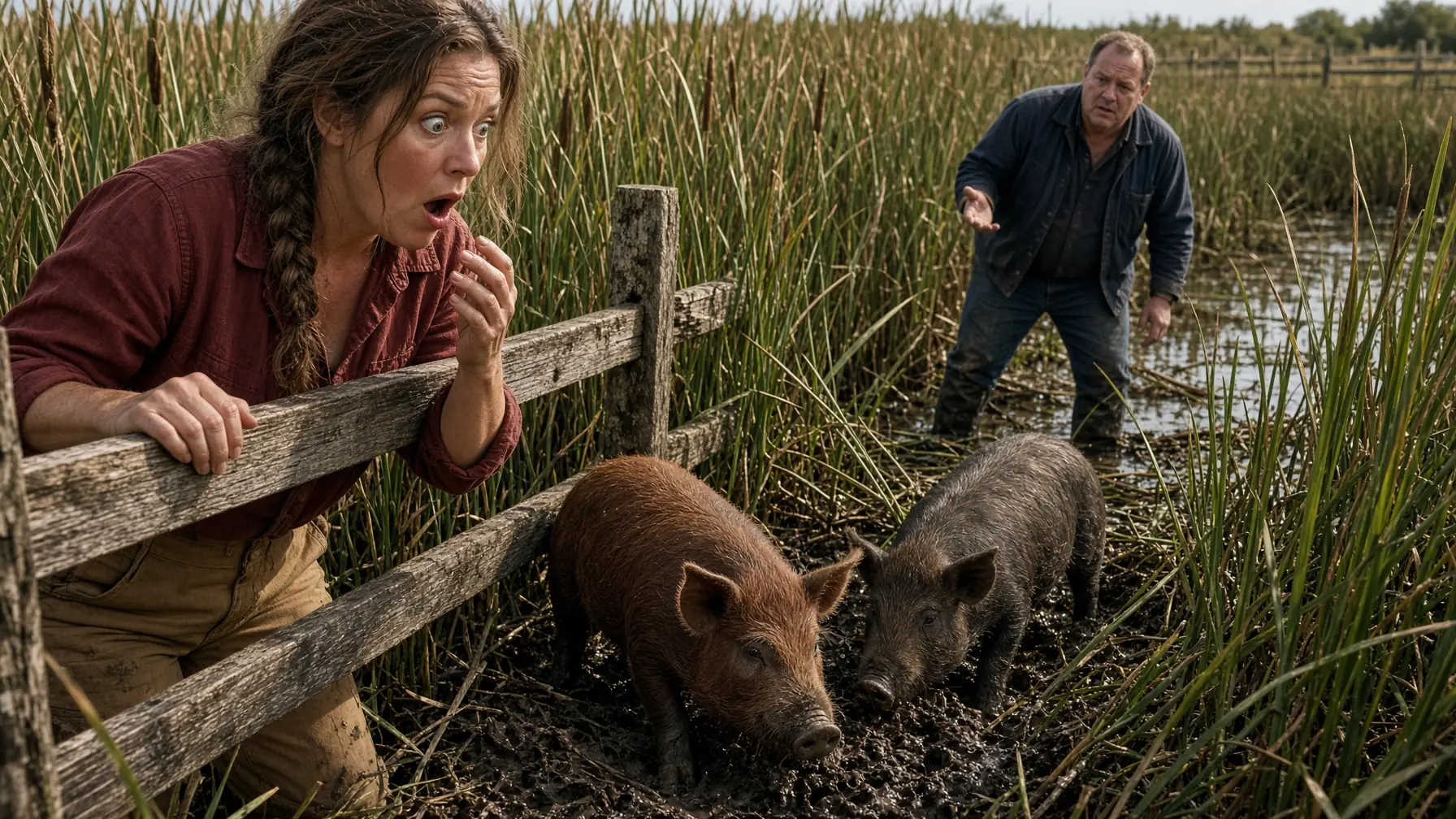
Then Dale Harper turned around.
“You just bought yourself a swamp!”
The laughter started in the row behind him and spread through the little auction room. Margaret recognized most of the voices. She had repaired fences for some of these men, helped their wives load feed, and once spent a freezing Sunday bringing a neighbor’s loose cattle off the county road.
Now they were laughing hard enough for one man to remove his cap and wipe his eyes.
Margaret looked toward the auctioneer. He had already bent over his papers, pale blue sleeves rolled back, preparing to move on to the next item. Her foolishness had been entered into the record. Apparently, that was all the attention it required.
Dale’s navy work jacket creaked as he leaned across the aisle. At fifty-six, he had the comfortable authority of a man whose land could be seen from the courthouse windows, if the courthouse had been two stories taller.
“Hope you didn’t pay extra for the mosquitoes.”
Margaret’s smile faltered. Her fingers tightened around the bidder’s card until it bowed, and for one shameful moment she wanted to ask whether a purchase could be taken back before the clerk finished writing it down.
Instead, she lifted her chin.
“Just wait and see.”
She meant to sound certain. What frightened her was how badly she needed him to believe it.
Outside, bright sunlight washed the courthouse steps. Margaret paused beside the railing, one muddy boot on the lower step, and unfolded the receipt twice before realizing she had been trying to find a number that was no longer there.
For the past six years, every payment she made for land had bought another month. This payment had bought the ground itself.
Two adjoining parcels. An old access track. A narrow rise above a marsh so thick with reeds that the survey stakes were nearly invisible.
She owned them.
Her phone vibrated in her shirt pocket. The message came from the woman who owned the pasture Margaret had been renting.
Just checking. You’ll have the last animals moved by the end of the month?
Margaret stood with her braid lying against the back of her faded burgundy shirt, watching the courthouse door swing shut behind another laughing farmer.
Yes, she typed.
Then she deleted it and wrote, That’s still the plan.
The difference mattered to her, even if nobody else would have noticed.
The rented place was not much of a farm. There was a shed with one crooked door, a patch of pasture behind it, and a water spigot that needed an extra turn in winter. Margaret had made it useful by doing the small jobs other people postponed: replacing hinges, clearing brush, moving fencing before the grass disappeared beneath the hogs’ feet.
She kept heritage hogs because she liked their hardiness and because breeding animals were what she had managed to buy when she first started. She had learned their individual habits through chores performed before dawn and after other people’s workdays ended.
One sow tested every gate. Another refused a new shelter until Margaret put familiar bedding inside. The youngest animals followed the oldest whenever the oldest appeared to know where supper was going.