By eleven-thirty on that bright Atlanta afternoon, Brianna Freeman had already finished two conference calls, approved a revised sponsorship deck for a hospital fundraiser, calmed a floral designer who was convinced pale peonies had been insulted by the phrase soft blush pink, and reminded three different people that elegance and panic had never once produced the same result.
That was how her workdays usually moved.
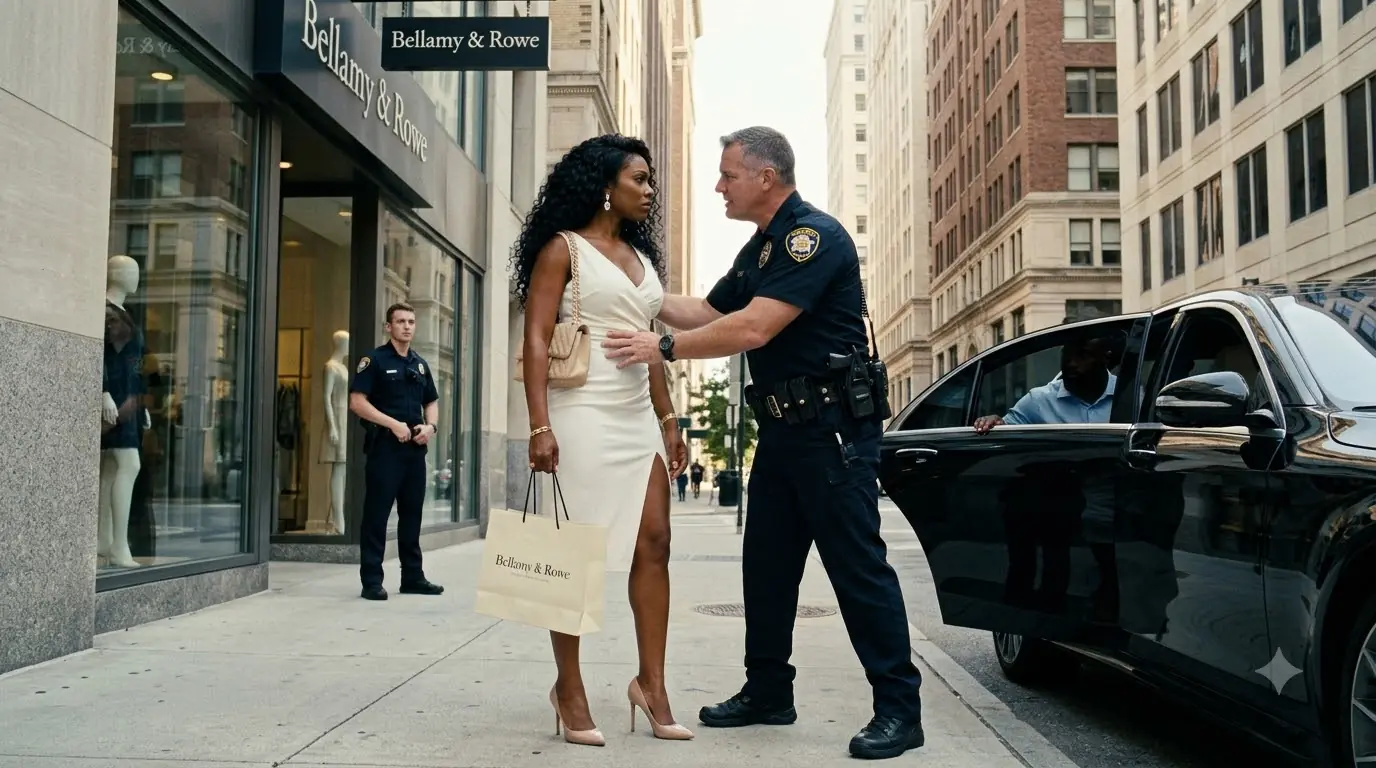
People saw the polished photographs afterward—the chandeliers, the gowns, the gleaming auction tables, the velvet ropes, the smiling donors—and imagined her profession was mostly beauty. Beauty mattered, but beauty was only the last layer. Beneath it there were budgets, contracts, personalities, egos, weather reports, fragile alliances, quiet negotiations, and the constant need to bring order to rooms that wanted to collapse into chaos.
Brianna was good at that.
She had built her reputation in Atlanta by making difficult things look effortless. At thirty-eight she ran Freeman House Events, a luxury planning and brand strategy company whose client list included hospitals, museums, athletes, law firms, fashion labels, and the kind of old-money families who spoke softly because they never had to repeat themselves. Her office overlooked Peachtree Street. Her calendar was usually overfull. Her standards were high. Her smile, when she used it in business, could soften a refusal without changing the answer.
She had not been born into any of it.
Her mother, Diane Freeman, spent most of Brianna’s childhood altering dresses in a narrow sewing room behind a beauty salon on the west side of the city. Her father drove a city bus for twenty-six years and came home every evening with stories about weather, traffic, late passengers, and the strange tenderness of ordinary people who believed nobody was looking. Money was never abundant, but care was. Diane ironed church clothes with the same attention she gave bridal satin. Her father, Robert, polished his shoes every Sunday night and told Brianna that dignity was a habit before it was a feeling.
“Carry yourself like you belong in every room,” her mother said so often that the words became structural.
It was not arrogance Diane meant. It was defense. It was instruction for a Black girl with large eyes, quick intelligence, and a beauty that started attracting the wrong kind of attention early. There were people, Diane knew, who would mistake Brianna’s face for invitation, her shape for weakness, her ambition for performance, and her silence for agreement.
So she taught her daughter two things at once: softness where softness was safe, and steel where it was not.
Brianna learned both.
By noon she was seated in the back of a hired town car, scrolling through vendor notes on her tablet while Atlanta flashed by in clean bright pieces beyond the tinted glass. Her driver, a quiet man named Lewis whom she used often for downtown appointments, knew better than to fill silence with nervous conversation. He drove steadily, kept the air cool, and maintained the kind of professional invisibility wealthy clients prized and Brianna respected.
She had one personal errand before heading back to the office.