The morning Elizabeth Crane was thrown out of the only home she had ever known, the temperature in Harlan County, Kentucky, sat at eleven degrees below zero.
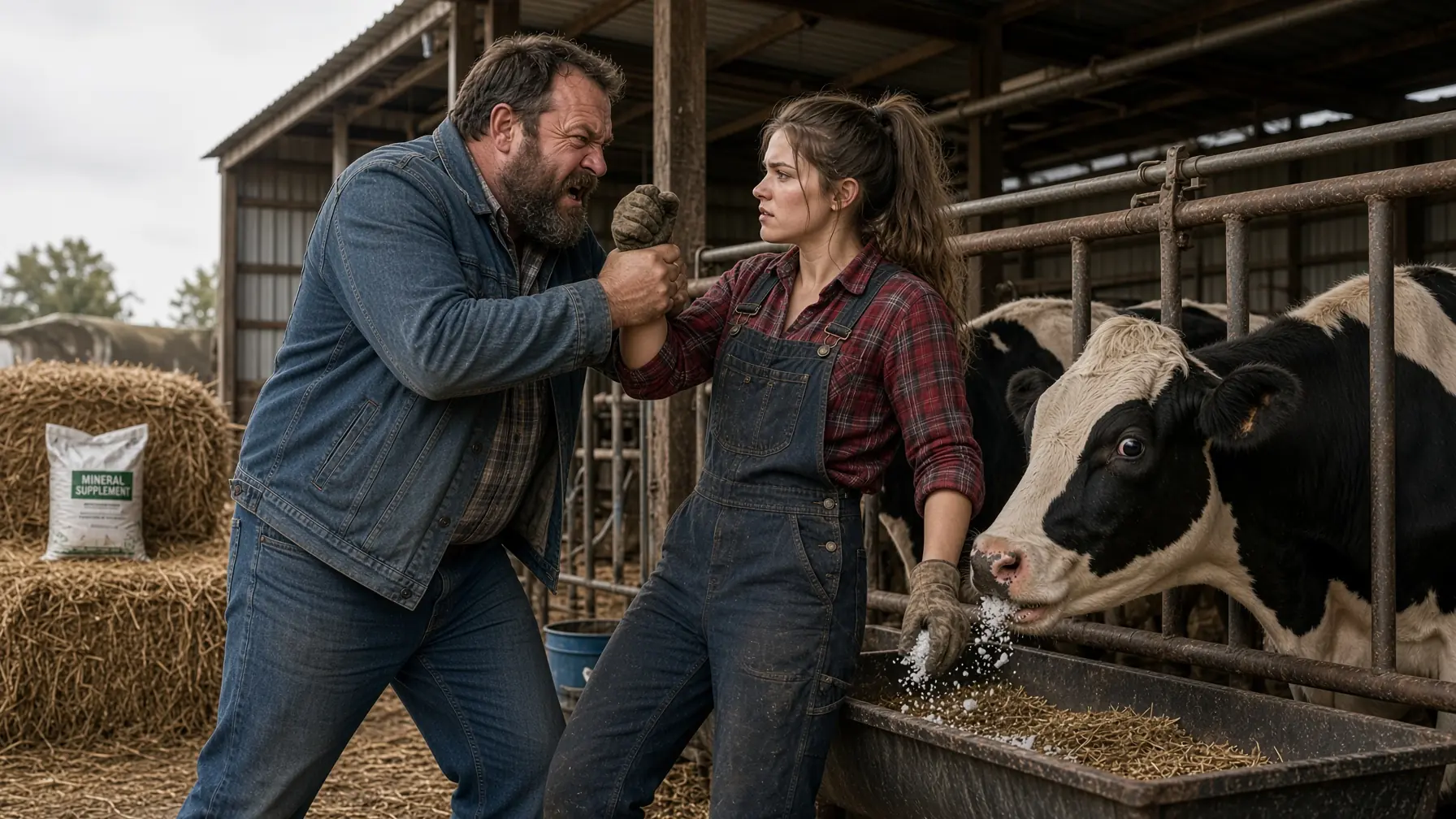
She was fifteen years old, barefoot except for stockings worn nearly through at the heel, holding a flour sack that contained everything she owned: two books, a wool scarf her mother had knitted before tuberculosis took her, and half a biscuit she had hidden from breakfast.
The year was 1934.
The mountains did not care whether a girl lived or died.
Her uncle Dale stood in the farmhouse doorway with his arms crossed, his breath turning white in the frozen air. Behind him, Aunt Dora watched with an expression that looked less like cruelty than exhaustion sharpened into resentment.
“You think you’re better than everybody,” Dale said.
Elizabeth said nothing.
“You think those books and all those questions make you special.”
Still nothing.
Dale’s jaw tightened.
“Well, I’ll tell you what they make you. A mouth to feed that don’t earn its keep.”
Elizabeth looked toward the barn.
She had repaired two fence sections that week.
Fed the chickens.
Hauled water.
Scrubbed floors.
Split kindling.
Milk had returned to their last dairy cow largely because of her.
She did not mention any of it.
Dale pointed down the frozen road.
“You’re done feeding here.”
Elizabeth did not cry.
She had not cried since the night her mother died in the back room of the same farmhouse two years earlier while Dale and Dora argued in the kitchen over burial expenses. That night, Elizabeth had learned something most people discovered much later, if they discovered it at all.
Tears were a language.
Some people did not speak it.
So Elizabeth turned.
And walked.
Her father, William Crane, had been a coal miner who could recite poetry from memory.
In Harlan County, that combination made a man unusual enough to be laughed at and useful enough to be tolerated. William could swing a pick all day, then come home with coal dust inside the lines of his face and quote Longfellow while repairing a chair.
He died in a shaft collapse when Elizabeth was nine.
Her mother, Catherine, had once been a schoolteacher. After William died and tuberculosis began hollowing out her lungs, she continued teaching one student.
Elizabeth.
Every evening by lamplight, Catherine made her daughter read aloud.
History.
Agriculture.
Anatomy.
Poetry.
Whatever books she could borrow or trade for.
During the last coherent conversation of Catherine’s life, she took Elizabeth’s hand and said, “Your mind is the one thing nobody can take from you.”
Elizabeth tried to protest.
Catherine tightened her fingers.
“Everything else can disappear.”
Money.
Home.
People.
“They can all go.”
She tapped Elizabeth gently on the forehead.
“But what you know stays.”
Catherine died on a November night in 1932.
Elizabeth went to live with Dale, her father’s older brother, and his wife Dora.
They took her because the community expected them to.
Not because they wanted her.
Dale had been made hard by poverty.
Dora had been made harder by grief.
She had lost two children to scarlet fever and seemed to have spent whatever warmth remained afterward simply surviving.
Neither beat Elizabeth.
Neither intentionally starved her.
They did something quieter.
They reminded her, day after day, that she was extra.
Another plate.
Another blanket.
Another body using firewood.
Elizabeth answered by working.
Before dawn, she hauled water.
Fed chickens.
Mended fences until winter cracks opened across her hands.
She worked without complaint because work was one thing nobody could accuse her of avoiding.
But she also read.
That was the problem.
She read everything she could get.
The bookmobile that passed through the valley once a month became the brightest day on her calendar. Elizabeth borrowed farming manuals, veterinary guides, old science texts, geography books, USDA pamphlets, anything the librarian would let her carry.
Then she asked questions.
Why did people plant corn in the same exhausted field every year when the yield kept falling?
Why did nobody collect wild ginseng from the north slopes and sell it where buyers paid more?
Why did Mr. Patterson’s cattle become sick every spring after the creek flooded?
Could the old mine tailings upstream be contaminating the water?
Dale’s answer remained the same.
“That ain’t your business.”
Dora’s answer was usually a look.
A girl who thought too much would never find a husband.
Would end up strange.
Alone.
Like old Ida Combs on Pigeon Creek.
Other children sensed Elizabeth was different too.
Not merely smart.
Or quiet.
She seemed to look at the same landscape as everyone else and see a different country hidden underneath it.
When everyone else saw a weed, Elizabeth wondered whether it was edible.
When a cow became sick, she wondered what had changed in the soil.
When a hillside slid after rain, she wondered where the water had gone before people cut the road.
It was curiosity that finally got her thrown out.
Dale’s last dairy cow, Old Bess, stopped producing milk.
The family depended on that cow.
Dale decided to slaughter her.
Elizabeth had recently read a veterinary manual from the bookmobile.
She watched Bess.
Checked her gums.
Looked at her feed.
Noticed the poor condition of the pasture.